
MARCH 25, 1913
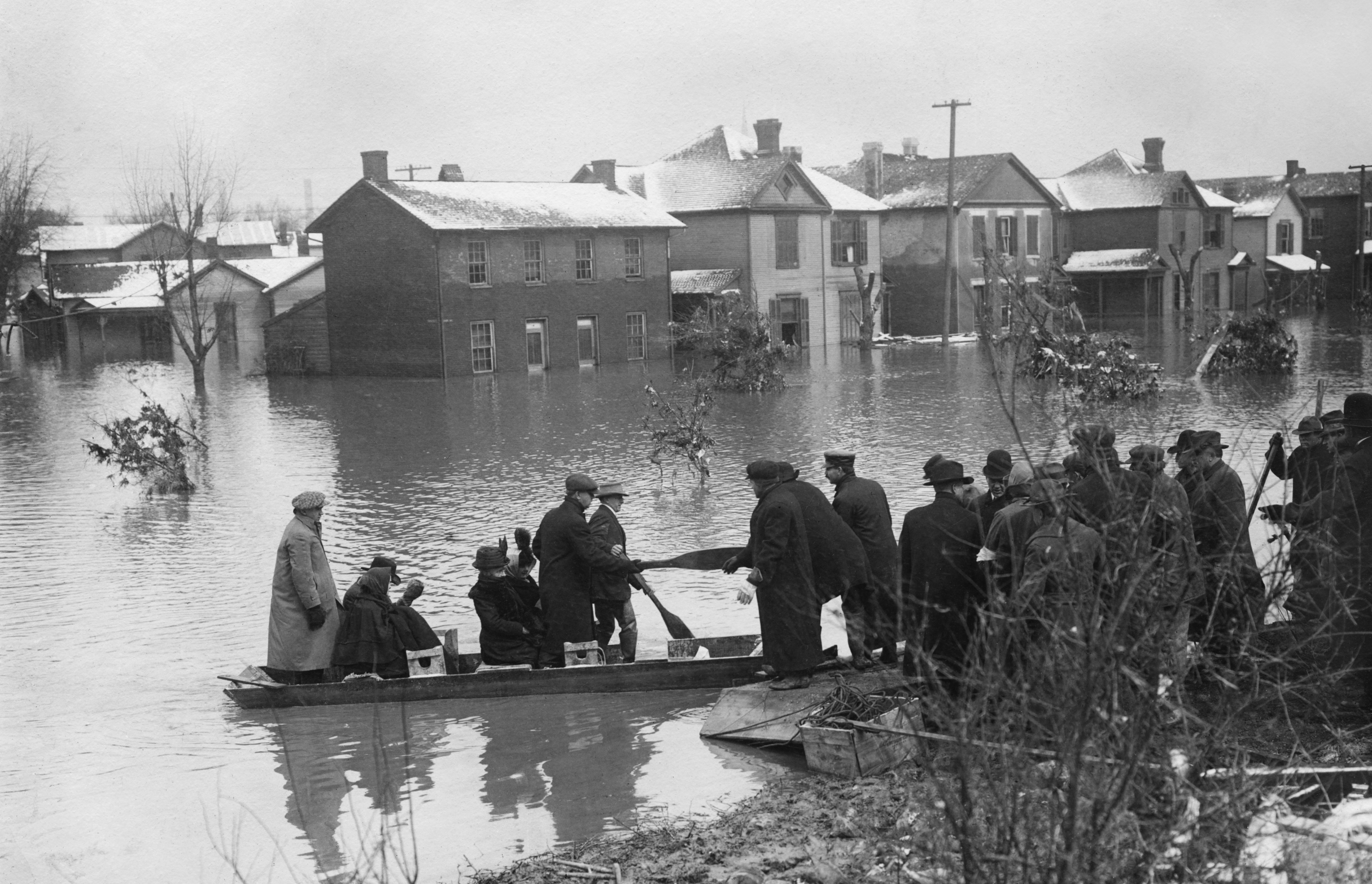
In March of 1913, the Miami Valley witnessed a natural disaster unparalleled in the region’s history. Three storms converged on the state.


MARCH 25, 1913
In March of 1913, the Miami Valley witnessed a natural disaster unparalleled in the region’s history. Three storms converged on the state.
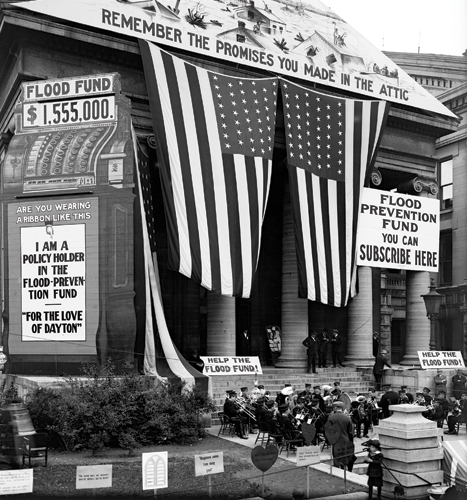
Despite losing everything to the flood just months before, the region came together to raise $2 million to design a flood protection.
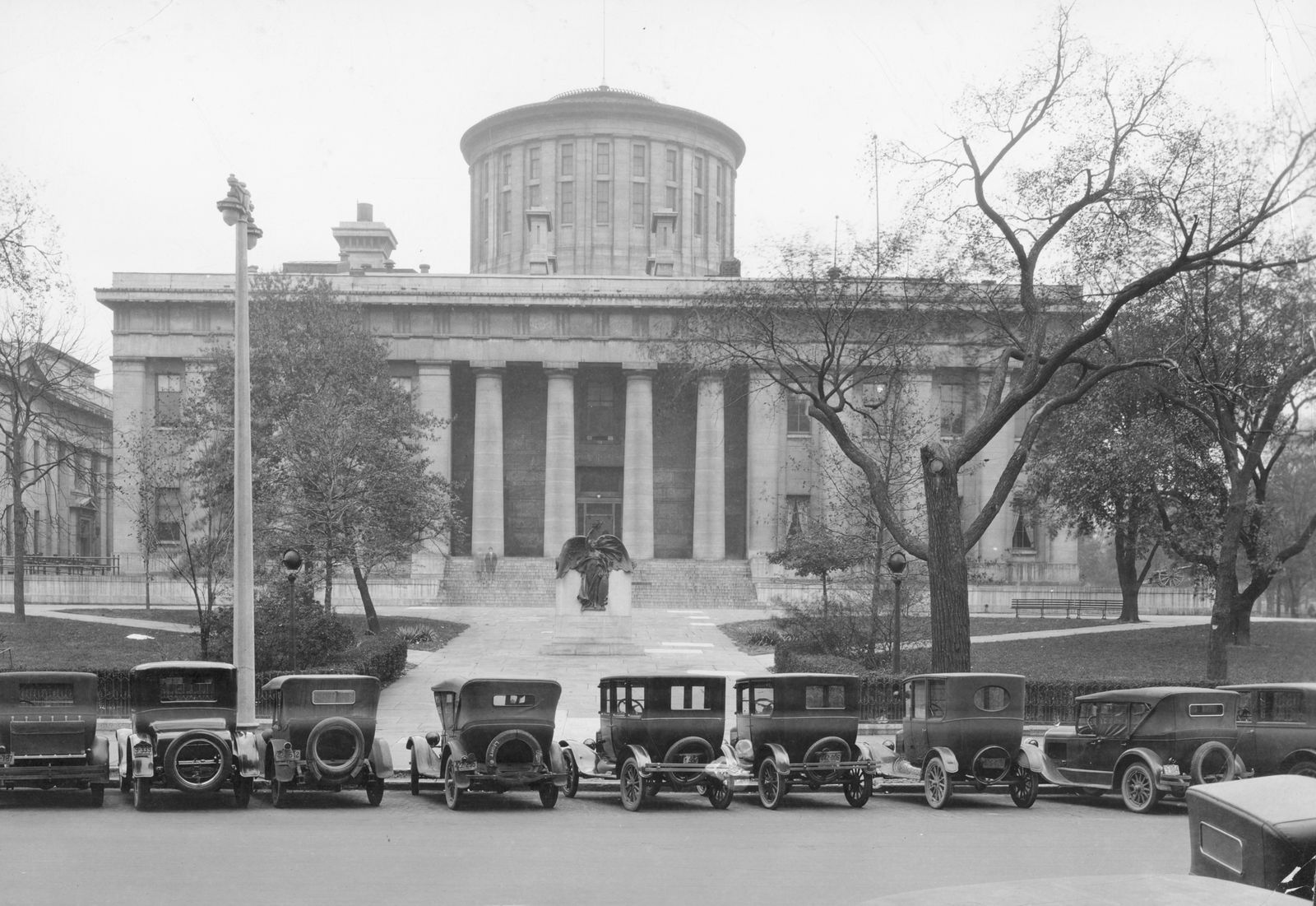
Conservancy bill, penned by veteran Dayton attorney John H. McMahon, was introduced into the Ohio House of Representatives.
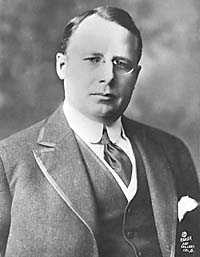
Governor James Cox signed the Conservancy Act into law, making it possible for MCD and other conservancy districts to organize.
With a vote of 5 to 4, the Conservancy Court declared the Miami Conservancy District organized, appointing Edward A. Deeds of Dayton, Henry M. Allen of Troy, and Gordon S. Rentschler of Hamilton as its first board of directors.
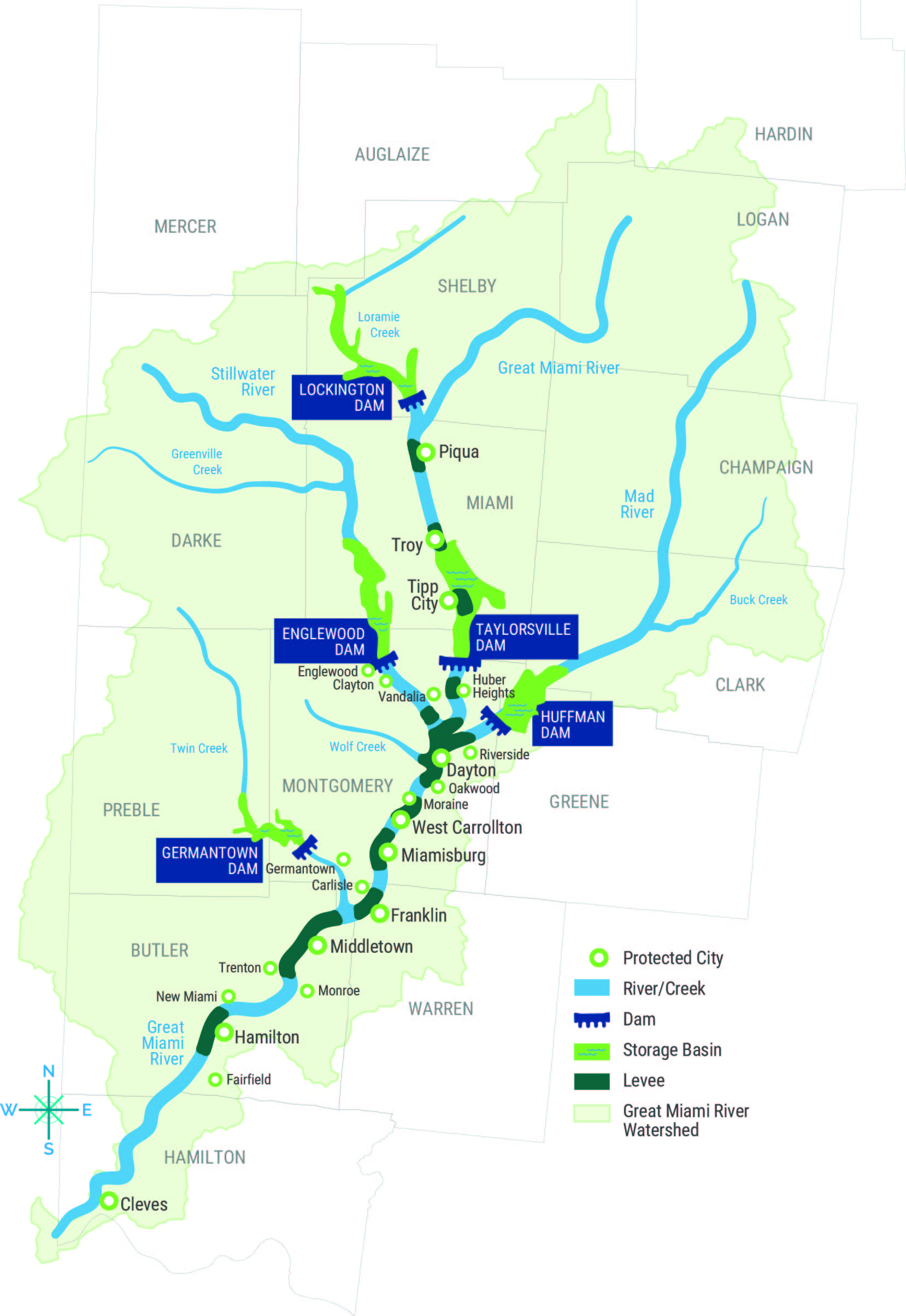
Conservancy Court formally approved MCD Official Plan, which includes five dry dams and associated retarding basins, preserved floodplains, improved river channels, and more robust levees.
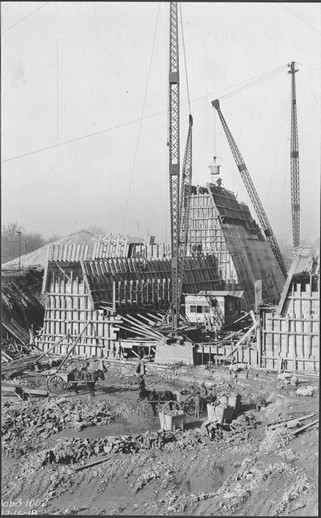
Nearly all the construction equipment acquired: 18 drag lines, 29 locomotives, 20 dump cars, 80 trucks and automobiles, 15 miles of railroad track and 73 miles of high-voltage electric transmission lines. Many large pieces of equipment had to be dug out of the snow around the Midwest, disassembled, shipped to Dayton where the District’s machine shop overhauled and reassembled them.
Miami Conservancy District’s flood protection system awarded the 1922 Engineering Record’s distinguished “Project of the Year,” placing it in a category with other international engineering design feats such as the Brooklyn Bridge (1883), Eiffel Tower (1889), Empire State Building (1931), Golden Gate Bridge (1937), Gateway Arch (1965) and the Channel Tunnel (1994).
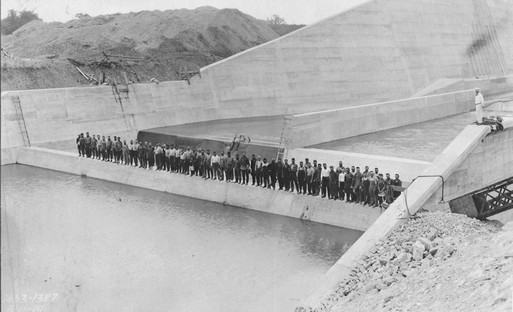
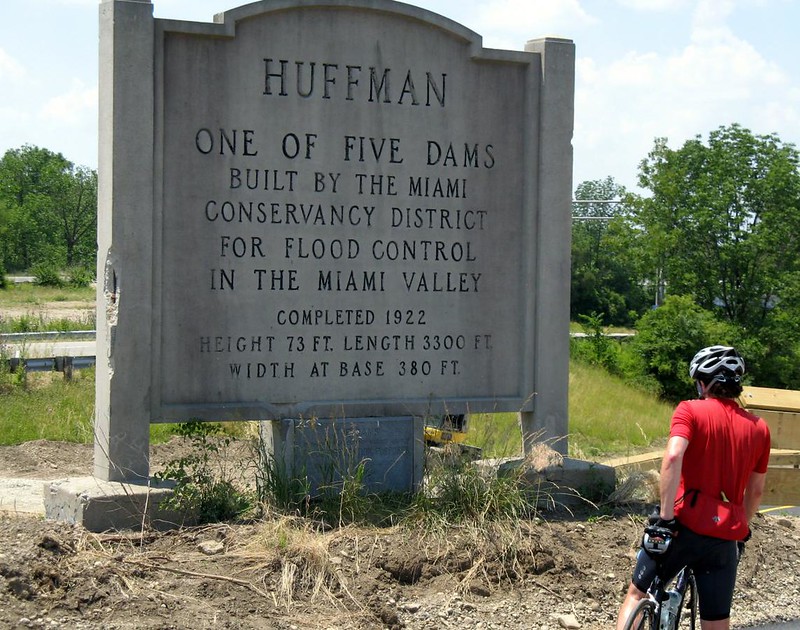
Construction was completed on the entire flood protection system by the end of 1922. It was on this date, however, MCD publicly announces completion of the flood protection system one year ahead of schedule. Final cost: About $30.85 million.
A major storm throughout the Ohio Valley finally ended after dumping nearly the equivalent of the 1913 flood’s rainfall in 12 days, rather than five days. All MCD dams and levees operated as designed.
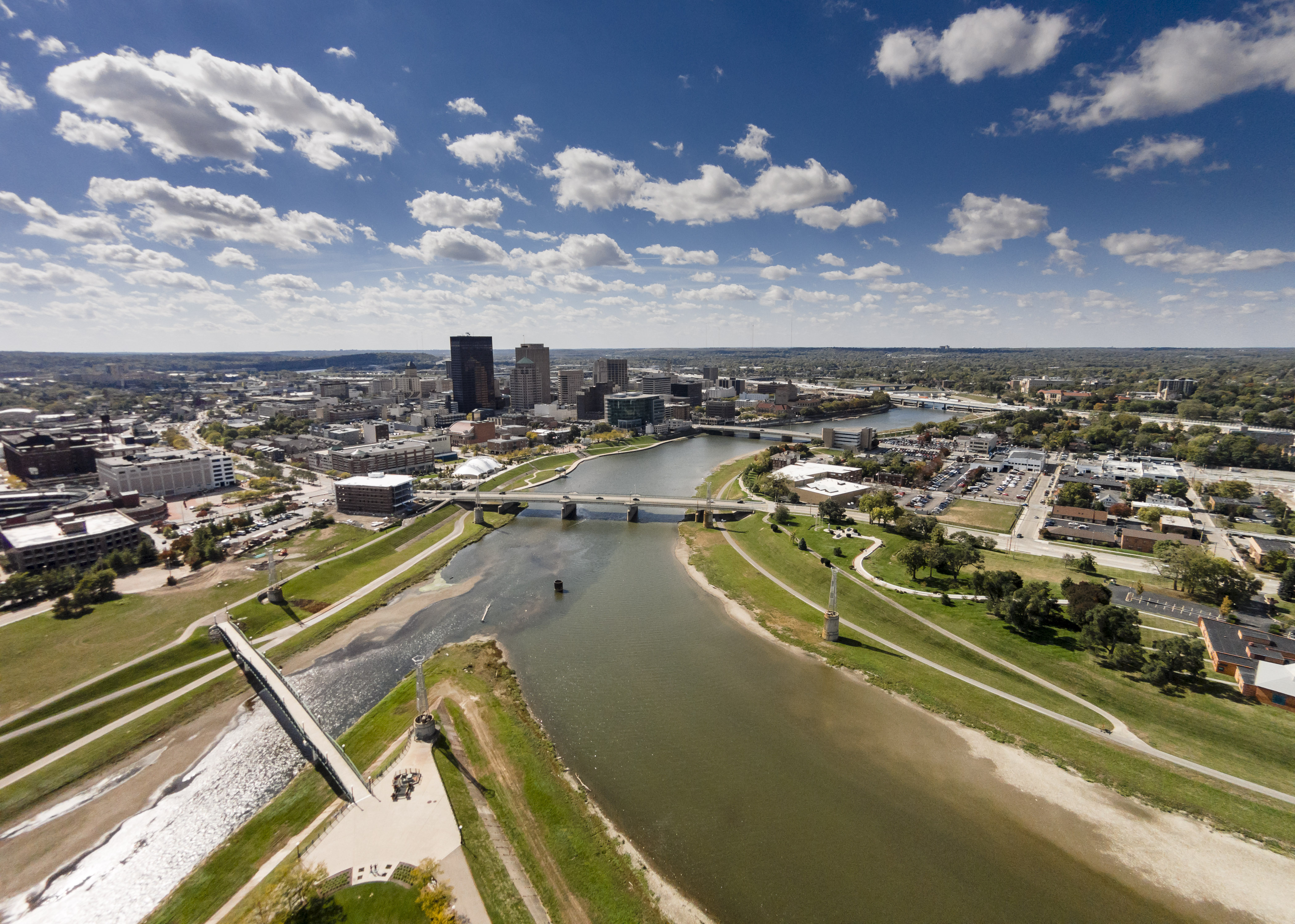
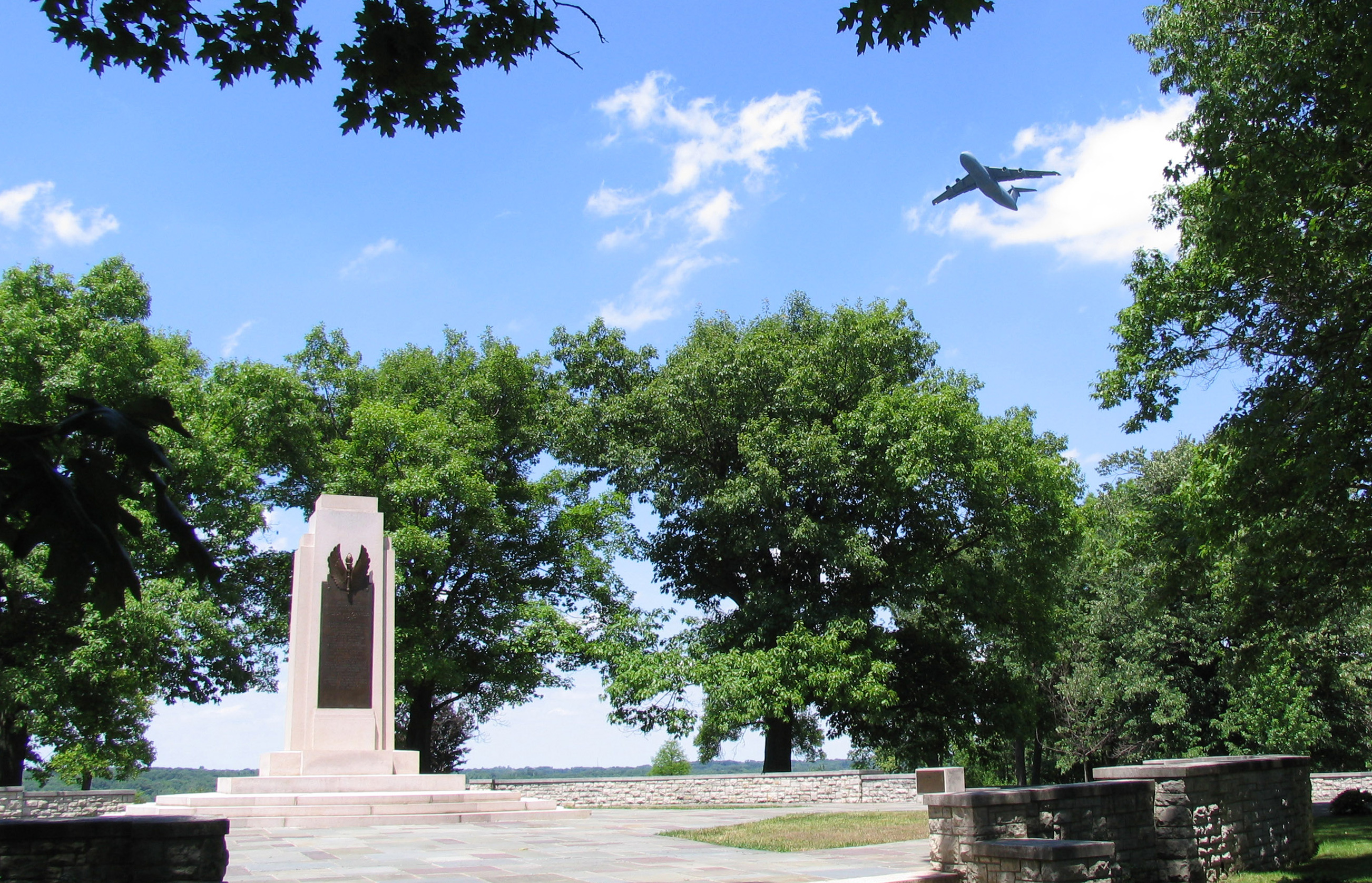
Wright Brothers Memorial was dedicated, built cooperatively between MCD and the Civilian Conservation Corps. Parking for 50 cars proved to be inadequate for the large number of visitors.
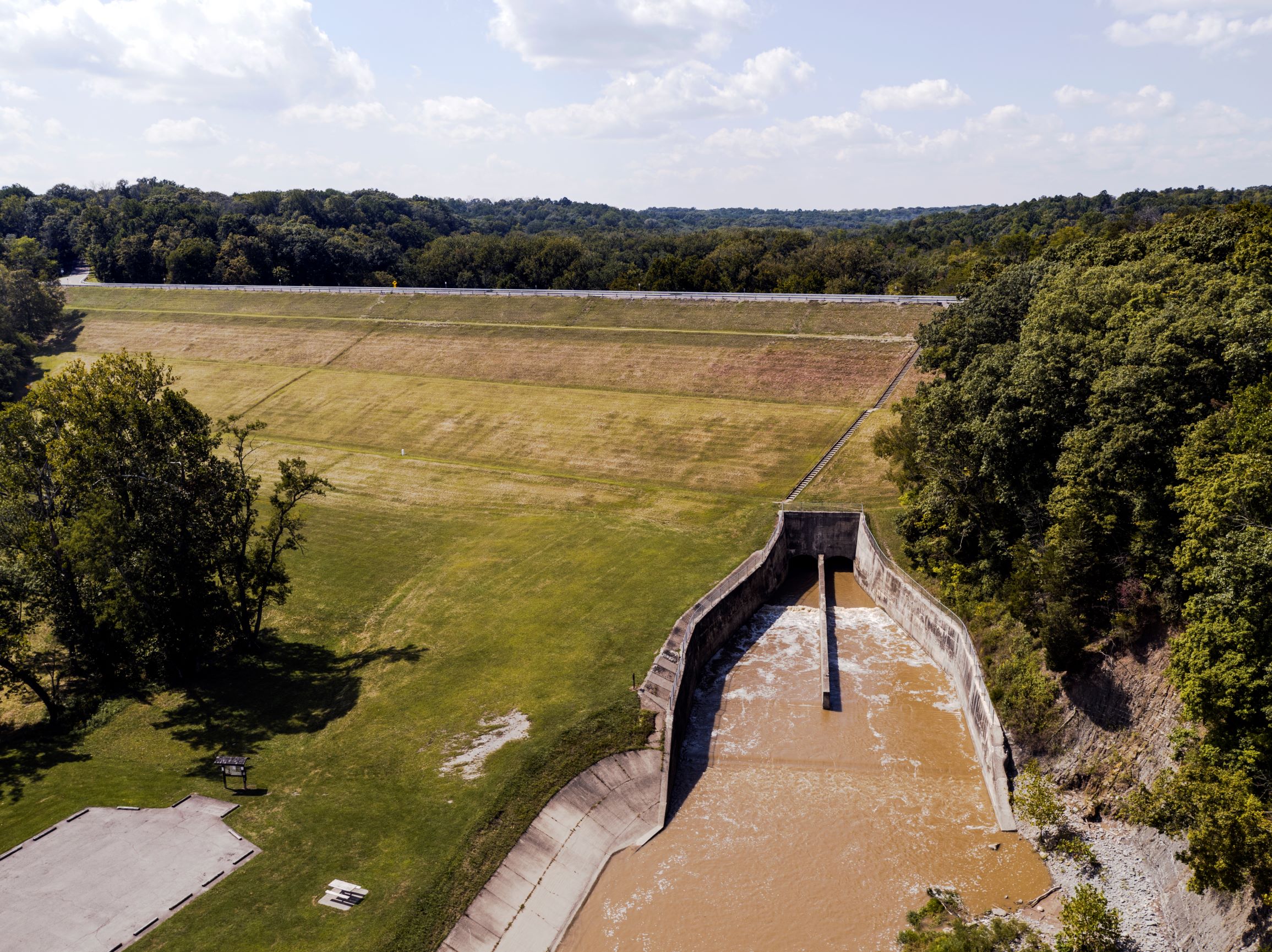
River at Dayton reached highest stage since 1913. Downtown Dayton and Hamilton would have been covered with 5 to 20 feet of water. Yet none of MCD's dry dams reached more than one-third of their capacity. Germantown came the closest at 31.8-percent of capacity.

The first mile of paved bike trail constructed in 1973 along an MCD levee in Troy, Ohio at the Adams Street Bridge over the Great Miami River. It was the beginning of the regional paved trail network.
MCD completed the original 8.2-mile Dayton River Bikeway at a cost of nearly $333,000. The bikeway was dedicated during a River Festival enjoyed by 15,000 people on May 31.
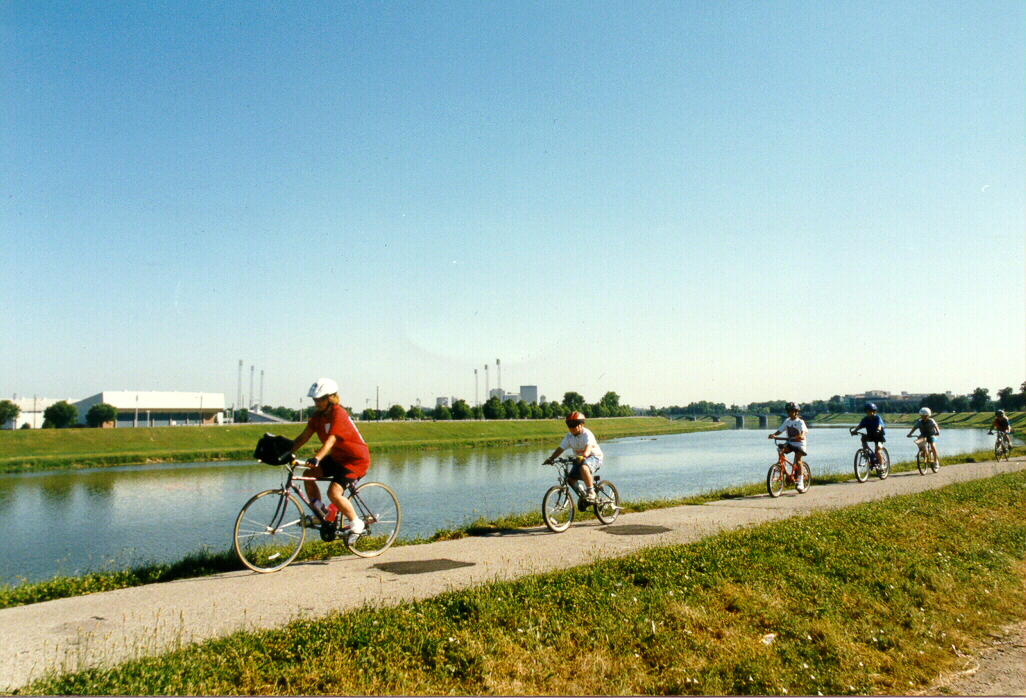
Great Miami River Recreation Trail – designated a National Recreation Trail by the National Park Service on August 13, 1978.
Aquifer Preservation Subdistrict (APS) formed in 1997 to guide watershed-wide water resource protection and management.
River Corridor Improvement Subdistrict (RCIS) formed in 2000 to facilitate river corridor improvements including trails, recreational areas, and low-head dam use for public access.
2005 High Water Event - ranked as the second highest amount of floodwater stored by the Miami Conservancy District since 1922. 37.3 billion gallons of water was stored, keeping riverfront cities dry, and the region's infrastructure and businesses thriving without fear of disruption.
National Water Trail Designation - 2017. The Great Miami, Stillwater, Mad rivers and several tributaries are collectively recognized as a national water trail system—the first designation in Ohio—by the U.S. Department of the Interior.
